
Your Race Day Glossary — Terms Every First Timer Should Know
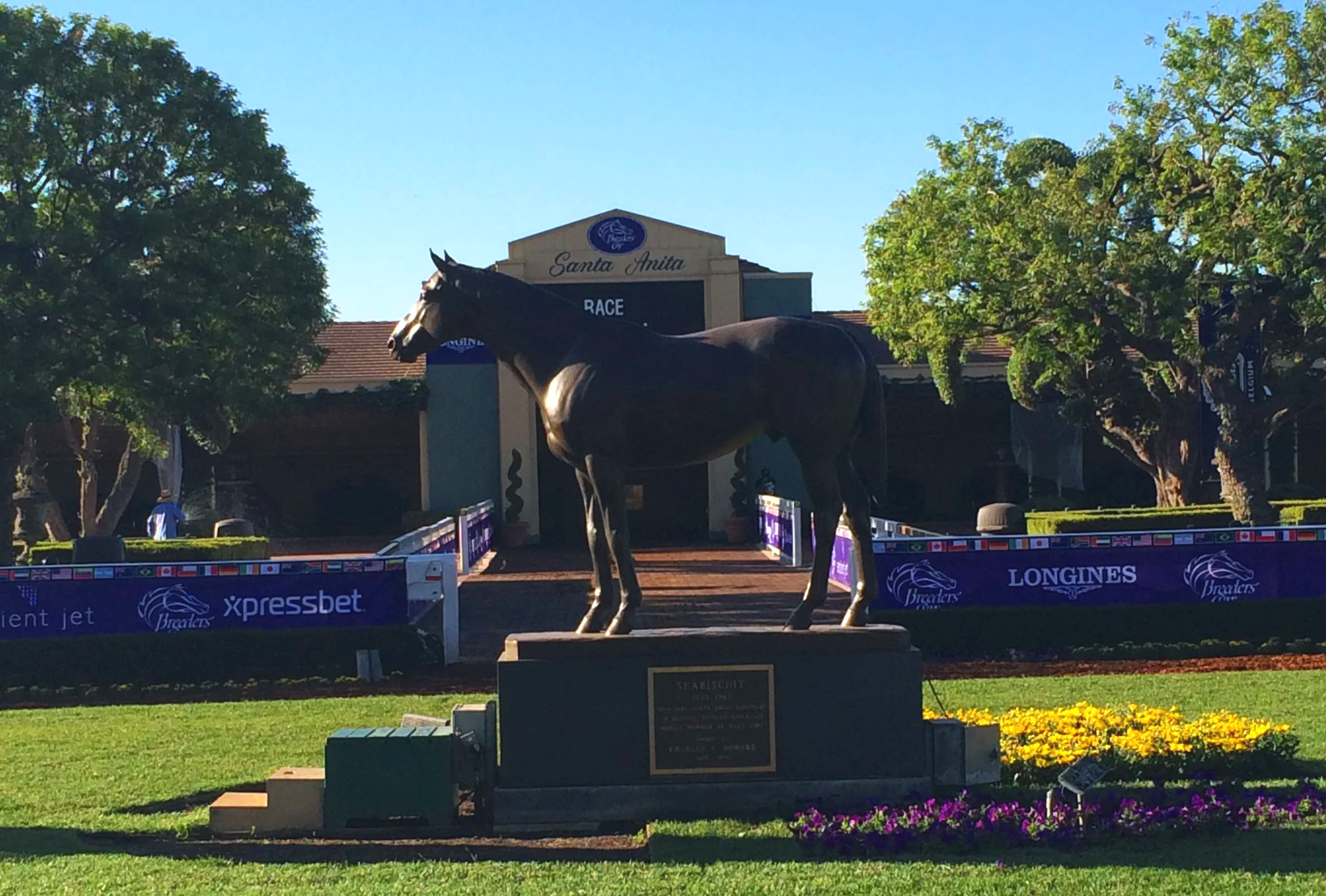
The Great Race Place — Santa Anita Park
Because nothing kills the vibe like nodding along and having absolutely no idea what anyone is saying.
You've got your outfit sorted. You've got your tickets. You might even have a mint julep already in hand. But then someone next to you says something like "the morning line has the four horse as the chalk but I like the closer in the eight hole" and suddenly you feel like you've wandered into a foreign country.
Don't worry. That's exactly what this is for.
Here's your cheat sheet to the most important terms you'll hear on race day — from the basics every first timer needs to know, to a few insider terms that will make you sound like you've been doing this for years.
The Basics — Start Here
Post Time The official scheduled start time of a race. When someone says "post time is 6:30" they mean that's when the horses are expected to leave the starting gate. Arrive before post time — things move fast once the gates open.
The Field Simply the group of horses competing in a race. "A strong field today" means there are a lot of competitive horses running.
The Favorite The horse considered most likely to win based on the betting odds. Not always the winner — which is part of what makes racing so exciting.
The Longshot The horse with the highest odds — meaning least likely to win according to bettors. But longshots do win, and when they do, the payouts can be spectacular.
Odds The ratio that determines how much you win based on your bet. Lower odds mean the horse is favored — higher odds mean a bigger potential payout but less likelihood of winning. Odds are displayed on the tote board and update in real time as bets are placed.
The Tote Board The large display board at the track showing current odds, payouts and race information. Your best friend for keeping track of what's happening.
Handicapping The process of studying and analyzing horses, jockeys, trainers and conditions to predict race outcomes. Serious bettors spend hours handicapping. You can also just pick your favorite name — both are valid strategies.
The Track
The Paddock The area where horses are saddled and shown to the public before each race. This is one of the best places to be on race day — you can see the horses up close, watch the jockeys mount up, and get a feel for which horses look calm and ready. Don't miss it.
The Post Parade When the horses walk from the paddock to the starting gate before a race. A lovely few minutes to get a good look at the horses before they run.
The Backstretch The far side of the track — the straightaway on the opposite side from the grandstand. Also refers to the stable area where horses are housed and trained.
The Homestretch / Home Straight The final straightaway leading to the finish line. This is where races are won and lost — and where the crowd goes absolutely electric.
The Rail The fence that lines the inside edge of the track. "On the rail" means running along the inside. Getting a spot near the rail at the finish line is prime real estate on race day.
The Infield The grassy area inside the track oval. At the Kentucky Derby the infield is famous for its enormous, festive crowd. It's a party unto itself.
The Horses
Thoroughbred The breed of horse used in flat racing. All Kentucky Derby, Preakness and Belmont horses are Thoroughbreds — one of the most athletic and finely tuned animals in the world.
The Chalk Racetrack slang for the favorite. If someone says "bet the chalk" they mean bet on the horse with the lowest odds.
A Closer A horse that runs from behind and makes a late charge toward the finish. Closers can be incredibly exciting to watch — they often come out of nowhere in the final stretch.
A Front Runner A horse that prefers to lead from the start. Some horses need to be in front to perform well — others fade if pushed too early.
A Maiden A horse that has never won a race. Maiden races are specifically for horses that haven't yet won.
The Morning Line The odds set by the track's official handicapper the morning before a race — before any betting has taken place. It's a starting point, not a guarantee. Odds shift significantly once the public starts betting.
The Betting
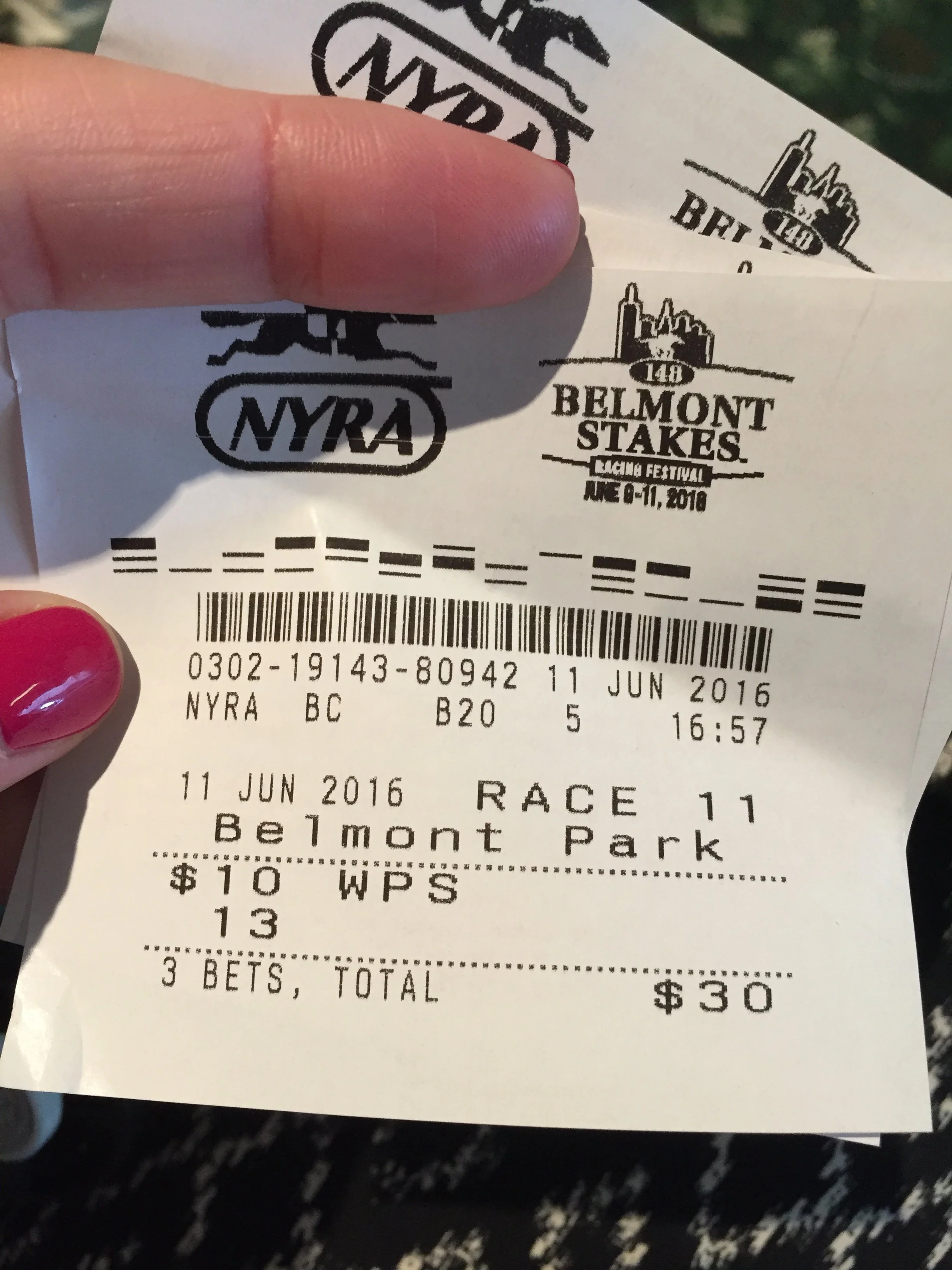
WPS = Win, Place, Show or $10 “across the board” for a total bet of $30
Win, Place, Show The three simplest bets. Win means your horse finishes first. Place means first or second. Show means first, second or third. Start here.
Exacta Picking the first and second place finishers in the correct order. Harder than a simple win bet but the payouts are better.
Trifecta Picking the first, second and third place finishers in the correct order. Even harder — but the payouts can be extraordinary.
Superfecta Picking the first four finishers in exact order. A long shot bet — but for $1 or $2 it adds enormous excitement to a race.
Box A betting option that covers multiple combinations. An "exacta box" on horses 3 and 5 means you win if either finishes first or second — in any order. Costs more but gives you more coverage.
Trifecta Box Covers all possible finishing combinations for your selected horses. A popular choice for bettors who like three horses but aren't sure of the exact order.
Payout / Mutuel The amount paid out for a winning bet. Displayed on the tote board after each race.
The People
The Jockey The rider. Jockeys are elite athletes — small in stature but extraordinarily skilled. Their decisions during a race can make or break a horse's chances.
The Trainer The person responsible for preparing the horse for race day — training, conditioning, strategy. A great trainer is as important as a great horse.
The Owner The person or syndicate that owns the horse. Owners are often in the paddock before races and in the winner's circle after. If your husband works in racing — this is the world he lives in.
The Stewards The officials who oversee the race and ensure the rules are followed. If there's an inquiry after a race — the stewards are investigating a potential infraction.
The Insider Terms — Use These to Impress
In the Money Finishing first, second or third — the positions that pay out. "She ran in the money" means she finished in the top three.
Scratched When a horse is withdrawn from a race before it starts — usually due to health or track conditions. Always check for scratches before placing your bets.
Going The condition of the track surface. "Fast" means dry and firm — ideal conditions. "Sloppy" or "muddy" means wet conditions that can significantly affect performance. Some horses love the mud. Others hate it.
Furlong A unit of distance used in horse racing. One furlong equals one eighth of a mile. Most races are listed in furlongs — the Kentucky Derby is run at ten furlongs, or one and a quarter miles.
The Blanket Finish When multiple horses finish so closely together they could be covered by a single blanket. One of the most thrilling moments in racing.
Wire to Wire When a horse leads from start to finish — from the first wire to the last. A dominant, commanding performance.
The Winner's Circle The designated area where the winning horse, jockey, trainer and owner gather for the post-race photo. If you ever find yourself in the winner's circle — you'll never forget it.
Bookmark this page and pull it up on race day. And if someone next to you starts talking about closers and morning lines — smile knowingly. You've got this.
